Murphy Chiropractic Health Center - 573-221-1075

June Newsletter


Hydration and Spinal Health

"Why Water is the Best Medicine for Your Spine"

Water is important for your spine because the structures in your back depend on hydration to stay flexible, cushioned, and resilient.

Here’s what hydration does for the spine:

  1. Keeps spinal discs cushioned
    The discs between your vertebrae act like shock absorbers. They’re made largely of water. When you’re well hydrated, those discs maintain height and elasticity, helping reduce compression and friction.
  2. Supports movement and flexibility
    Hydrated tissues glide and move more efficiently. Dehydration can contribute to stiffness in muscles, ligaments, and connective tissue around the spine.
  3. Helps nutrient delivery
    Spinal discs don’t have a strong direct blood supply, so they rely on fluid movement to exchange nutrients and waste. Proper hydration supports that process.
  4. May reduce risk of disc degeneration over time
    Chronic dehydration won’t “cause” back problems by itself, but insufficient hydration can contribute to discs drying out and becoming less effective at absorbing force.
  5. Supports muscles that stabilize the spine
    Back and core muscles function better when hydrated. Dehydration can increase fatigue and muscle cramping, which may worsen back discomfort.


Just like a structure depends on balanced support, your spine depends on healthy discs, muscles, and alignment working together — and hydration helps maintain all three.

That said, water alone is not a cure for back pain. Spine health also depends on:

  • regular movement
  • core strength
  • posture
  • sleep
  • body weight management
  • avoiding smoking
  • adequate protein and minerals


For many adults, a practical target is:

  • 2–3 liters (roughly 8–12 cups) of fluids per day
  • more if you exercise, sweat heavily, work outdoors, or live in heat

Your spinal discs are especially hydrated overnight, which is why many people are slightly taller in the morning. During the day, discs gradually lose water from compression and movement, then rehydrate again during rest and sleep.

Signs you may not be drinking enough for tissue health:

  • dark yellow urine
  • headaches
  • fatigue
  • muscle cramping
  • feeling stiff after sitting
  • dry mouth

Things that help spinal hydration besides water:

  • regular walking and movement (help fluid exchange in discs)
  • sleeping enough
  • avoiding smoking/nicotine
  • electrolytes when sweating heavily
  • eating water-rich foods like fruit and vegetables

A simple rule many clinicians use:

  • drink enough that your urine stays pale yellow most of the day

Drinking excessive amounts beyond your body’s needs generally won’t “super-hydrate” discs, though — balance matters.



                                          Happy Birthday

                   Dr. Bucher and Cherie!!


Common Uses

  • Diffusing during stressful or overwhelming situations
  • Applying topically for calming support before sleep, travel, presentations, or busy days
  • Supporting focus during work or study
  • Pairing with meditation, yoga, or breathing exercises
  • Using in car diffusers during commuting or road trips

How to Use

Aromatic

  • Add 3–4 drops to a diffuser
  • Inhale from palms or an aromatherapy necklace

Topical

  • Apply diluted to wrists, neck, chest, or bottoms of feet
  • Roller version is convenient for on-the-go use


            We have a variety of oils for sale in the office, if there is something

               we don’t have on hand, we can order it. Roller or spray blends can be

made in the office. Let us know if we can help you!!


NOTICE TO ALL PATIENTS

Change in Blue Cross Blue Shield (BCBS) Network Status

Effective July 8, 2026

Murphy Chiropractic Health Center will no longer be an in‑network provider with Blue Cross Blue Shield (BCBS).

This change is due to ongoing non‑payment of claims and administrative restrictions that have made continued participation unsustainable.

What This Means for You

  • You may still receive care in our office.
  • Payment will be due at the time of service.
  • We will provide a superbill for each visit.
  • You may submit the superbill to BCBS for out‑of‑network reimbursement according to your plan.

We are here to help.

If you have questions about this change or need assistance with your superbill, please speak with our staff.

Thank you for trusting Murphy Chiropractic Health Center with your care.


Regular office hours for June:

Monday, Tuesday, and Thursday 9:00a - 5:30p

Wednesday: 9:00a - 2:00p

Closed on Fridays

We are open Saturday, June 6th: 9:00a - 1:00p

**NOTE CLOSED: Monday, June 8th 


Do you struggle with brain fog, focus issues, feeling tired or sleepless nights? Do you deal with anxiety or high stress?

Murphy Chiropractic Center now offers a non-invasive wellness scan that helps us understand stress patterns, nervous system load and energetic imbalances. We can provide a personal care plan to see how stressed your nervous system is, tailor your care, and track your progress!
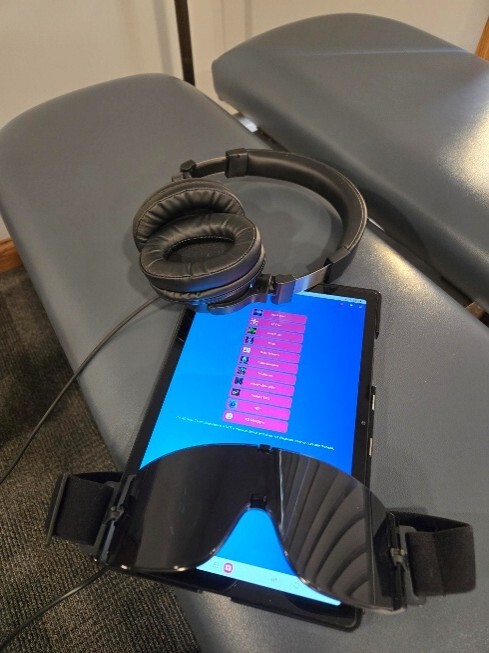
The AO HUB uniquely targets areas and engages the mind to optimize your physical, emotional and mental state allowing improved body and cognitive performance.

Call 573-221-7075 to schedule an appointment, Monday, Tuesday, or Thursday.

Schedule now while we have available times!


Juice Plus is a great way to bridge the gap to increase the amount of fruits and vegetables and berries you eat every day. Some of you are probably not eating many fruits, vegetable and berries every day.  And some of you aren't eating any of these food groups.  This is good way to improve your overall health and improve your immune system. 

  • Contact Wendy Murphy/Certified Health Coach
  • wmurphy15@gmail.com or wmurphy.juiceplus.com
  • Phone: 573-795-1066


doTerra Sale Items for June


Newsletter Articles
May 2026

  • Chiropractic Helps People Dealing with Cancer Treatment
  • Chiropractic Care Helps US Active-Duty Military Personnel
  • Symptoms from Multiple Sclerosis Help by Chiropractic – A Case Study
  • Endometriosis Symptoms Helped by Chiropractic
Chiropractic Helps People Dealing with Cancer Treatment

Chiropractic Helps People Dealing with Cancer Treatment

A study released on April 23, 2026, by Research Square looked at how chiropractic care may help people dealing with the physical challenges that often come with cancer treatment. Many cancer patients experience pain, stiffness, muscle tension, and reduced mobility after treatments such as chemotherapy, radiation, surgery, or hormone therapy. These issues can make everyday activities more difficult and reduce overall quality of life. Researchers wanted to better understand whether chiropractic care could help improve function and decrease pain in this population.

The study reviewed the records of 97 adult cancer patients who received chiropractic care at a major cancer center. Researchers tracked how patients felt over time by measuring both pain levels and the ability to perform daily activities. The results showed that many patients experienced noticeable improvements. Functional ability scores steadily improved from the beginning of care through follow-up visits, while pain levels decreased over the same period. These positive changes were considered both statistically significant and meaningful for many patients.

One of the most encouraging findings was that improvements continued over time. About one-quarter of the patients achieved clinically meaningful gains in function by the second follow-up visit, and nearly half experienced meaningful reductions in pain. This suggests that ongoing chiropractic care may provide lasting support for people recovering from or actively undergoing cancer treatment. Many patients reported being better able to move, perform daily tasks, and manage discomfort as care progressed.

Researchers also found that the benefits appeared consistent across different groups of people. Men and women both showed similar improvements in function and pain reduction, and patients of different racial backgrounds experienced comparable results as well. This consistency suggests that chiropractic care may be a helpful supportive option for a wide variety of oncology patients struggling with musculoskeletal problems and reduced quality of life after cancer treatment.

The study discussed how chiropractic care may help by improving joint mobility, reducing muscle tightness, supporting healthier nervous system function, and helping the body move more comfortably. Correction of subluxation and improved spinal function may play a role in helping the body adapt to physical stress and recover more effectively. Because cancer treatments can place tremendous strain on the body, conservative and non-drug approaches to pain relief and improved mobility are becoming increasingly important in supportive care settings.

While the researchers noted that additional studies are still needed, the findings were very encouraging. The study supports the growing idea that chiropractic care can be a valuable part of integrative healthcare for people facing cancer-related pain and physical limitations. As more healthcare providers recognize the importance of improving quality of life during and after cancer treatment, chiropractic care may continue to play an expanding role in helping patients stay active, comfortable, and engaged in daily living.

Chiropractic Care Helps US Active-Duty Military Personnel

Chiropractic Care Helps US Active-Duty Military Personnel

Low back pain is one of the most common physical complaints among active-duty military personnel. Long hours of training, heavy equipment, repetitive movement, and the physical demands of military life can place tremendous stress on the spine and supporting muscles. A study published on April 7, 2026, in BMC Complementary Medicine and Therapies, explored whether adding chiropractic care to standard medical treatment could help improve long-term outcomes for service members struggling with low back pain.

The study followed military personnel with low back pain for up to one year. Some participants received standard medical care alone, while others received standard medical care along with chiropractic care. Researchers tracked changes in pain levels, physical function, sleep quality, fatigue, and the ability to participate in daily activities. The goal was to see whether chiropractic care could provide additional benefits over time.

The results were encouraging. Patients who received chiropractic care generally showed greater improvement in pain-related disability and overall physical function compared to those who received standard medical care alone. While pain intensity itself improved only modestly over the long term, many participants found it easier to perform everyday activities and remain physically active. This is important because improved movement and function can have a major impact on quality of life.

One of the most interesting findings involved sleep. The study found that people receiving chiropractic care experienced meaningful improvements in sleep disturbance even after 52 weeks. Better sleep can play a major role in healing, recovery, energy levels, and overall well-being. Since chronic pain and poor sleep often go hand in hand, improving spinal function and reducing stress on the body may help support healthier sleep patterns over time.

Researchers also noted that chiropractic care often includes more than simply addressing pain. Care may involve improving mobility, encouraging healthy movement, supporting posture, reducing muscle tension, and helping patients better manage daily physical stress. Correction of subluxation and improved spinal balance may help the nervous system function more efficiently, allowing the body to better adapt to physical demands and recover from strain. Many patients also appreciate the non-drug, conservative approach to managing back pain.

Although the study focused on military personnel, the findings may be meaningful for anyone dealing with ongoing low back pain. The research supports the idea that chiropractic care can be a valuable addition to a broader healthcare plan, especially for people looking to improve movement, function, and quality of life naturally. These results add to growing evidence that chiropractic care may provide important long-term benefits for people living with back pain.

Symptoms from Multiple Sclerosis Help by Chiropractic – A Case Study

Symptoms from Multiple Sclerosis Help by Chiropractic – A Case Study

Multiple sclerosis is a challenging neurological condition that can affect many different parts of the body. People living with MS may experience dizziness, numbness, fatigue, headaches, balance problems, and difficulty walking. A recent case study published in the Journal of Upper Cervical Chiropractic Research on April 21, 2026, explored how chiropractic care may help support people with MS by focusing on spinal alignment and nervous system function. The report followed a 30-year-old man with relapsing-remitting multiple sclerosis who continued to struggle with symptoms even while receiving standard medical treatment.

Before beginning chiropractic care, the patient experienced frequent dizziness, tingling sensations in his feet and arm, severe fatigue, headaches, and poor balance. MRI scans showed lesions in the brain and cervical spine that are commonly associated with MS. The patient also demonstrated postural imbalance, reduced neck curvature, and signs of vertebral subluxation in the upper neck and throughout the spine. These findings suggested that spinal dysfunction may have been contributing to stress on the nervous system.

Over several months of chiropractic care, the patient reported major improvements in multiple areas of his health. His overall symptom burden dropped dramatically, and he experienced far less fatigue and dizziness. Walking and balance improved, headaches became less frequent, and he felt more stable during everyday activities. The patient described himself as "very much improved" and reported feeling clearer, more energetic, and more comfortable physically.

One especially interesting finding involved follow-up MRI imaging. After receiving chiropractic care alongside his ongoing medical treatment, the patient’s MRI showed improvement in one of the cervical spinal cord lesions that had previously worsened. Researchers noted reduced inflammation and decreased lesion intensity compared to earlier scans. While this was only a single case report and more research is needed, the findings suggest that improving spinal alignment and nervous system function may play a supportive role in overall neurological health.

The study discussed several possible explanations for these improvements. Researchers explored how correction of subluxation in the upper neck may help support healthier cerebrospinal fluid flow, improved circulation, better nervous system communication, and reduced stress on delicate neurological structures. Proper spinal alignment may also help improve balance and coordination by supporting normal communication between the brain, spinal cord, and body. These ideas are still being studied, but they offer promising areas for future research.

Although this report involved only one patient, it highlights the growing interest in conservative, supportive approaches to neurological health. Chiropractic care is not presented as a cure for multiple sclerosis, but this case suggests it may help improve quality of life and physical function for some individuals when used alongside appropriate medical care. As researchers continue studying the relationship between spinal health and nervous system function, more people may begin exploring how chiropractic care can support overall wellness and daily living for those facing chronic neurological challenges.

Endometriosis Symptoms Helped by Chiropractic

Endometriosis Symptoms Helped by Chiropractic

Endometriosis is a condition that affects millions of women worldwide and can have a major impact on daily life. Many people living with endometriosis experience severe menstrual pain, fatigue, headaches, back pain, and difficulty participating in normal activities. A recent case report published in the 2026 second quarter issue of the Asian Pacific Chiropractic Journal, explored how chiropractic care may help support women dealing with both musculoskeletal problems and menstrual-related symptoms. The report followed a 24-year-old woman who had struggled with endometriosis, migraines, chronic neck and back tension, and reduced quality of life.

Before beginning chiropractic care, the woman described constant neck and upper back pain, recurring migraines, shoulder discomfort, and severe menstrual pain that often radiated into her back and knees. Her symptoms became so intense during parts of her cycle that she spent nearly two weeks each month largely confined to bed. The condition affected her work, exercise, social activities, and family relationships. She had previously relied on medication for relief but stopped because of unwanted side effects and concerns about long-term use.

Over the course of her chiropractic care, the woman reported meaningful improvements in several areas of her health. Neck and upper back pain decreased, posture improved, sleep quality became better, and stress levels were reduced. Most importantly, she experienced a major reduction in menstrual pain and cramping. She reported fewer days of severe symptoms and found her menstrual cycles much easier to manage. These improvements allowed her to return to exercise, increase social activities, and function more comfortably at work and in daily life.

Doctors and researchers are learning that conditions like endometriosis may involve more than just localized pelvic pain. Many patients also experience changes in posture, spinal tension, increased sensitivity to pain, and nervous system stress. This study discussed how spinal dysfunction and vertebral subluxation may contribute to altered nervous system function, muscle tension, and changes in how the body processes pain signals. Researchers believe that improving spinal function may help support healthier nervous system balance and better pain regulation.

The study also discussed possible explanations for these changes. Researchers noted that correction of subluxation may help improve communication within the nervous system and support healthier autonomic function, which plays a role in pain processing and organ regulation. Improvements in posture, spinal balance, and nervous system adaptability may also help reduce central sensitization, a process in which the body becomes overly sensitive to pain signals. While these ideas are still being studied, they offer encouraging possibilities for conservative, drug-free approaches to chronic pain conditions.

Although this was only a single case report and more research is needed, the findings highlight the potential value of chiropractic care as part of a broader wellness approach for women dealing with endometriosis and chronic pain. The patient’s improved ability to participate in work, family life, exercise, and social activities represented a major improvement in overall quality of life.